The University of the Free State (UFS) recently marked a significant step in its commitment to fostering African scientific capacity, with Professor Martin M. Nyaga, Director of the Next Generation Sequencing (NGS) Unit and WHO Collaborating Centre, completing a high-impact visit to Kenya. The visit focused on expanding collaborative research in genomics, training the next generation of scientists, and renewing a crucial institutional partnership.
Fostering Partnership: Renewing the UFS-UoEm MoU
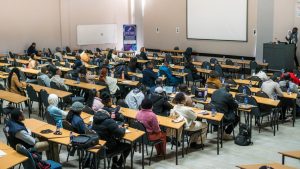
During his engagement at the University of Embu (UoEm), Prof Nyaga delivered a compelling talk titled: “Fostering Our Partnership: Activating the UFS-UoEm MoU for Synergies in Research, Funding, and Training.”
The visit culminated in the official renewal of the Memorandum of Understanding (MOU) between the UFS and the University of Embu. This renewed agreement sets the stage for intensified collaboration, particularly focused on establishing joint research initiatives, co-supervision frameworks for postgraduate students, and facilitating staff and student exchanges.
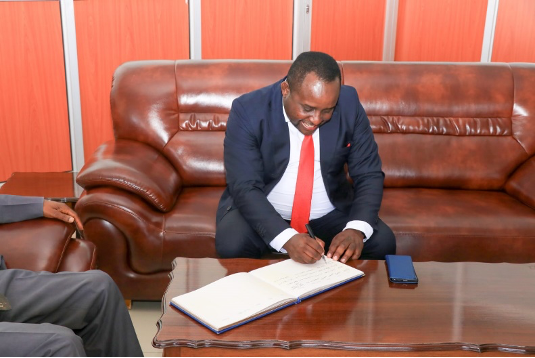
In his presentation to UoEm, Prof. Nyaga outlined a clear roadmap for activating the partnership, proposing initiatives such as:
- Joint Grant Applications: Collaborating on large-scale funding proposals to secure resources for shared research objectives.
- Co-supervision Models: Implementing proven frameworks for co-supervising MSc and PhD students to achieve high-quality, internationally relevant research outcomes.
Joint Symposia and Seminars: Organizing regular hybrid events to allow ideas to collide and further strengthen the research networks between the two universities.

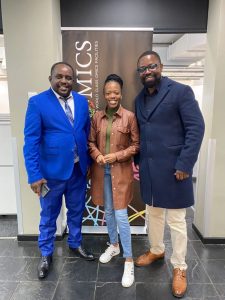
From left to right: Dr. Julius Ndirangu Mugweru (Senior Director of Research – UoEM) Prof. Martin Nyaga (Head of the UFS-NGS Unit); and Prof. Paul Njiru Nthakanio (DVC -UoEM)
Keynote Address: Genomic Surveillance at KEMRI-Wellcome Trust
Professor Nyaga also hosted at the globally renowned KEMRI-Wellcome Trust Research Programme in Kilifi by Dr. Charles Agoti, where he delivered a keynote address entitled “Whole-Genome Surveillance of Enteric Viruses in Africa: Lessons from the UFS Next-Generation Sequencing Unit and Opportunities for Collaboration,” which detailed the critical role of genomic surveillance in modern public health.
Prof. Nyaga’s presentation highlighted:
- The Power of Genomic Surveillance: He demonstrated how the UFS-NGS Unit, designated as a WHO Collaborating Centre for Vaccine-Preventable Diseases (VPD) Surveillance, uses advanced sequencing technology to track, trace, and respond rapidly to microbial threats, particularly enteric viruses.
- Lessons from the UFS-NGS Unit: He traced the journey of the UFS-NGS Unit from its inception in 2015 to its current role, emphasizing the institutional investment in state-of-the-art technology (like the NextSeq 2000 system) and the critical importance of building local expertise.
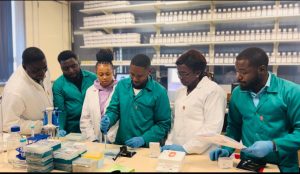
- A Call for Collaborative Training: Prof. Nyaga articulated a vision for Precision Public Health in Africa, proposing a structured partnership with KEMRI-Wellcome Trust. The proposal included a reciprocal student and post-doc exchange program, where students from both institutions could benefit from specialized training in wet-lab sequencing, bioinformatics, and access to unique experimental models. The ultimate goal is to build sustainable, independent African expertise that bridges the gap between genomic data and public health action.
Professor Nyaga’s successful visit underscores the UFS’s commitment to academic leadership and collaborative capacity building across the African continent, ensuring that local institutions are at the forefront of tackling complex global health challenges.