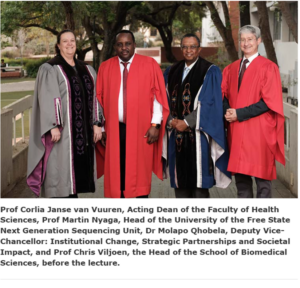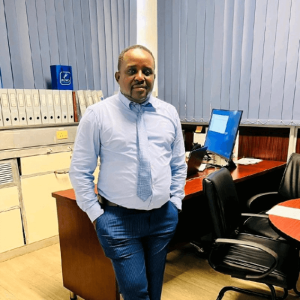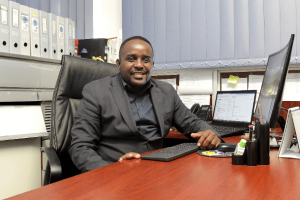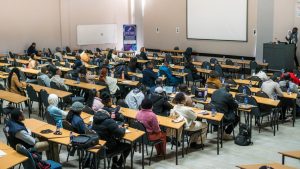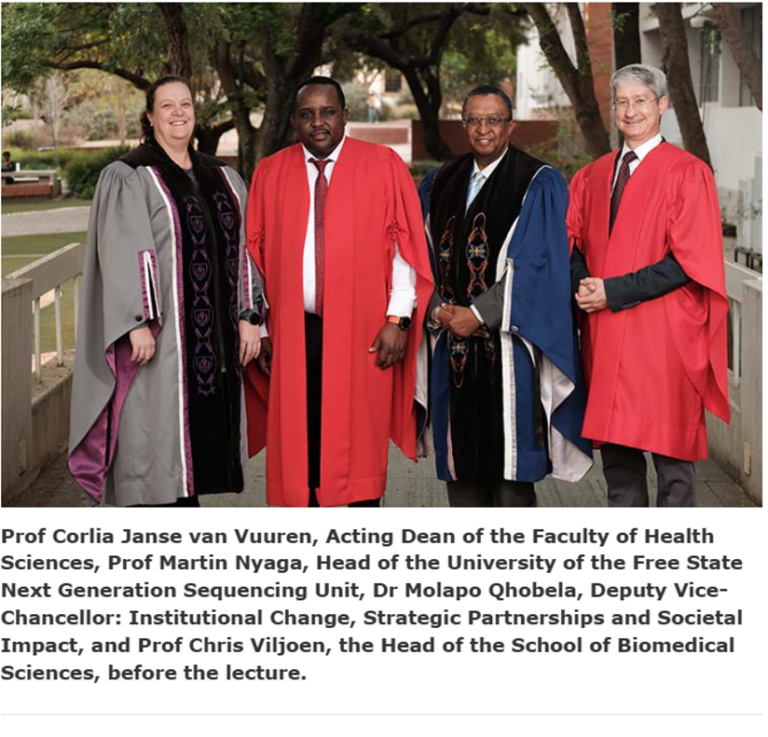
During his inaugural lecture, Prof. Martin Nyaga, Head of the University of the Free State (UFS) Next Generation Sequencing (NGS) Unit, offered an insightful overview of his pioneering research in pathogen genomics and its impact on public health in Africa.
The lecture, titled “Genomic Sentinels: Charting the Evolution of Enteric and Respiratory Viral Threats for African Health Security,” explored how genomic science continues to shape the continent’s preparedness and response to infectious diseases. Prof. Nyaga illustrated how his work extends beyond the laboratory to influence real-world health policies, highlighting his contributions to national and ministerial technical reports on COVID-19 variants in South Africa and Vibrio cholerae variants in Malawi.
The event, held on 8 September 2025, was attended by colleagues, postdoctoral fellows, and postgraduate students from the Faculty of Health Sciences, as well as special guests including Prof. Motlalepula Matsabisa, Head of the African Medicines Innovations and Technologies Development Platform, and Dr. Glen Taylor, Senior Director of the Directorate for Research Development. Prof. Nyaga’s family also joined in support—his children, Dylan and Latoya, attended in person, while his parents and siblings participated virtually.
In his address, Prof. Nyaga—who is affiliated with the School of Biomedical Sciences and the Division of Virology—reflected on the evolving global landscape of viral threats and the urgent need for advanced tools to combat them. He emphasized the growing role of genomic science as a foundational element of modern public health.
Ground breaking Contributions During the COVID-19 Pandemic
Prof. Nyaga highlighted his extensive work on enteric viruses, particularly rotaviruses, conducted through the Gates Foundation-funded African Enteric Viruses Genome Initiative and its follow-up project, the Sequencing and Antigenic Cartography of Enteric Viruses. His research has been instrumental in tracking viral evolution before and after the introduction of vaccines, revealing key genomic changes that inform strategies for improving vaccine effectiveness in high-burden regions.
He also discussed his team’s pioneering use of metagenomics to study the gut and respiratory virome, offering new insights into their roles in child health and their potential connections to metabolic disorders.
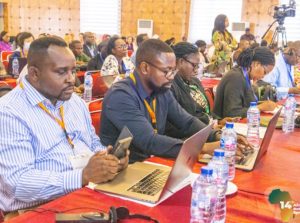
A significant portion of the lecture focused on his involvement with the Network for Genomic Surveillance in South Africa (NGS-SA), a collaborative initiative that enabled the early detection and characterisation of the SARS-CoV-2 Beta and Omicron variants. These findings were internationally recognised and published in leading journals such as Scienceand Nature Medicine, reinforcing Africa’s growing influence in the field of genomic surveillance.
Strengthening Africa’s Scientific Capacity
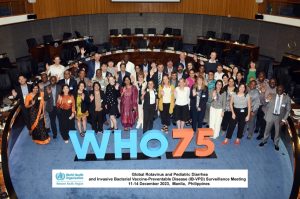
As a National Research Foundation (NRF) B3-rated researcher, Prof. Nyaga also spoke about the UFS-NGS Unit’s recognition as a WHO Collaborating Centre for Vaccine-Preventable Disease Surveillance and Pathogen Genomics, a milestone that strengthens Africa’s capacity for independent pathogen monitoring and reinforces its pursuit of health sovereignty.
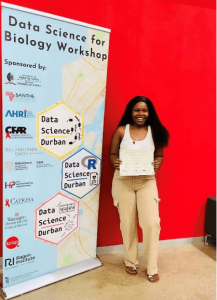
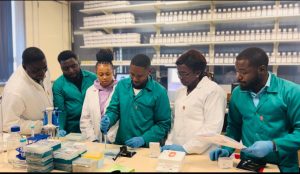
Throughout the lecture, Prof. Nyaga emphasized the importance of mentorship and capacity building in developing Africa’s next generation of genomic scientists. He shared examples of his efforts to train and supervise postgraduate researchers, host specialised bioinformatics workshops, and secure research infrastructure and equipment grants.
He concluded his lecture by calling for sustained investment in African science and equitable research partnerships that prioritise co-ownership and technology transfer. Prof. Nyaga closed with an inspiring message: that a scientifically sovereign Africa is not only possible, but essential to global health security.
(Adapted from the official UFS article: “Prof Martin Nyaga’s pioneering work in pathogen genomics spotlighted during inaugural lecture,” published 2 October 2025.)